The Hidden Reality of Medical Lab Jobs: White-Collar Degree, Blue-Collar Work
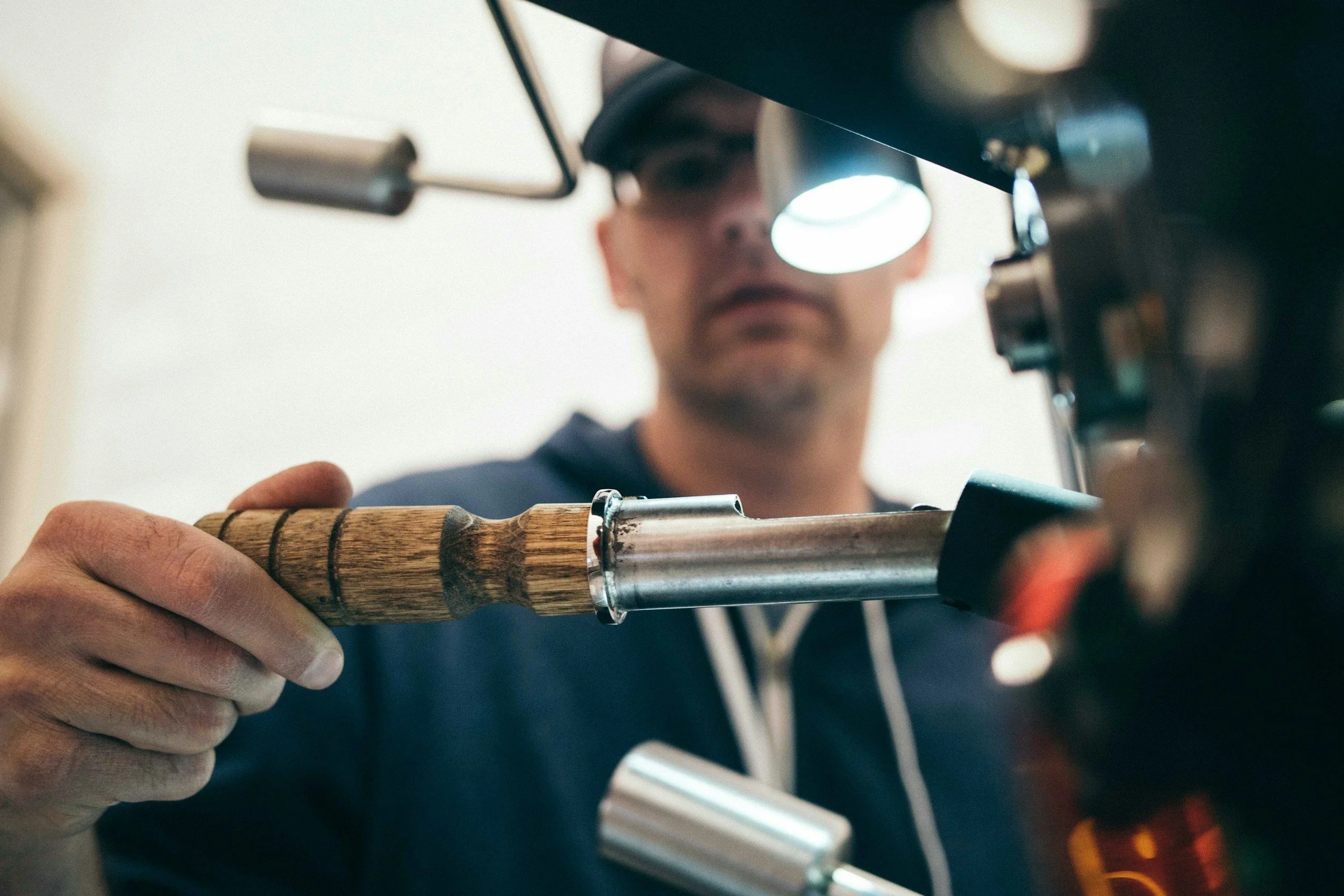
The first time I had to dismantle a clogged analyzer line during a night shift, I realized no one had trained me for this part in school…
We are required to have the academic depth of a white-collar professional, yet the daily reality of our work often involves the grit, shift work, and manual troubleshooting of a blue-collar trade. We stand all day until our feet hurt, carpal tunnel syndrome becomes a badge of professionalism, and we really don't see many upper management positions designated for our niche. Is the hospital lab actually a 'data factory'? And if so, why aren't we talking about the physical toll this 'hands-on' career takes?
In this post (and the accompanying coffee chat video), I’m leaning into the blue-collar label. We’ll explore why medical technologists are the 'mechanics of medicine' and how recognizing the trade-like nature of the lab can actually help you in your healthcare career development. Whether you are looking for CLS tutoring to master the theory or seeking career coaching for lab professionals to transition into a physician or remote bioinformatics role, understanding the true nature of your 'bench' experience is the first step.
The "Blue Collar" Reality of the Lab
Physicality and "Craft": Unlike a typical white-collar job where the primary output is emails or spreadsheets, lab work is tactile. It involves manual dexterity, precise pipetting, operating heavy machinery, and sometimes lifting heavy reagents. I'm not talking about a family-size soda bottle type of heavy; I'm talking about 50lb of checked luggage type of heavy. It is "skilled labor" in the truest sense.
The Uniform: Lab coats function much like a high-tech version of coveralls. It’s specialized workwear designed to protect the worker and the product from the environment, and it's mandatory to wear during work.
Production and Throughput: In many clinical or research settings, there is a heavy focus on "running the line." You have a quota of samples to process, turnaround times to meet, and strict Standard Operating Procedures (SOPs) to follow, which feels much like a high-end manufacturing floor.
The "Dirty" Work: Dealing with biological samples, chemicals, and waste disposal isn't exactly the "clean" image people associate with ivory-tower academics or corporate executives.
The "White Collar" Conflict
The friction comes from the fact that, despite the physical nature of the work, the entry requirements are strictly white-collar. You usually need a specialized degree, a deep understanding of complex theory, and an ability to troubleshoot data—not just the hardware.
This has led some sociologists to call these types of roles "New Collar" or "Steel-Toe White Collar." It’s a hybrid where you are expected to have the intellectual of a scientist and the mechanical intuition and stamina of a technician.
In many ways, lab techs are the specialized mechanics of the medical and scientific world. Without the "blue collar" execution of the benchwork, the "white collar" discoveries would never exist.
Does this feeling of it being "blue collar" make you want to join the field more, or does it feel like a mismatch with your current interests and plan?
